
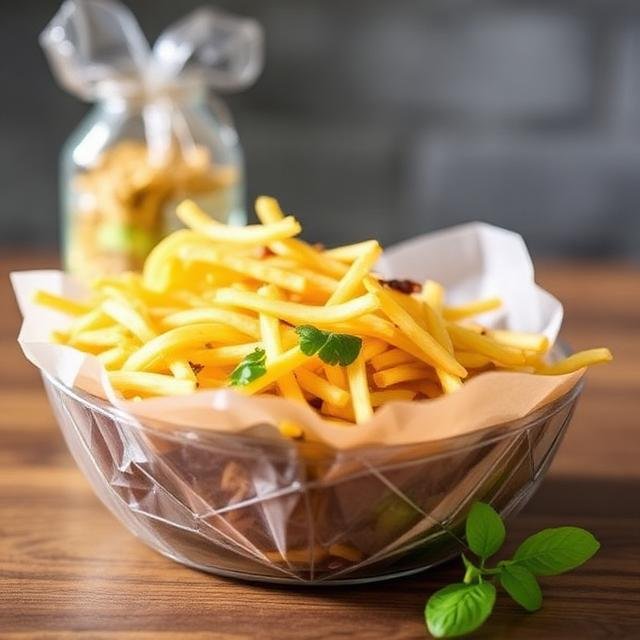
What Are Processed Foods?
Processed foods are foods that have been altered from their natural state in some way. This can be as simple as washing, freezing, chopping, cooking, or packaging—or as extreme as adding artificial flavors, preservatives, sugars, and refined oils.
Processing exists on a spectrum:
- Minimally processed → usually healthy
- Ultra-processed → often harmful
Understanding this difference is crucial.
Processed Foods That Are OK to Eat
Not all processed foods are bad. Many are nutritious, convenient, and safe when eaten in moderation.
1. Minimally Processed Foods (Best Choices)
These foods are altered only to preserve freshness or make them edible.
Examples:
- Frozen fruits and vegetables (no added sugar or sauces)
- Plain yogurt and Greek yogurt
- Rolled oats and steel-cut oats
- Roasted nuts and seeds (unsalted or lightly salted)
- Freshly ground coffee or tea
- Pasteurized milk
- Cooked lentils, beans, and chickpeas (canned with low sodium)
Why they’re okay:
They retain most of their nutrients and don’t contain harmful additives.
2. Moderately Processed Foods (Eat in Moderation)
These foods have some added ingredients but can still fit into a healthy diet.
Examples:
- Whole-grain bread with simple ingredients
- Cheese
- Canned vegetables (low sodium)
- Nut butters with no added sugar or hydrogenated oils
- Tofu and tempeh
- Sauces made with natural ingredients
Tip: Always read labels. Fewer ingredients usually means a better choice.
Harmful Processed Foods to Limit or Avoid
Ultra-processed foods are heavily modified and often engineered to be addictive.
1. Ultra-Processed Junk Foods
Examples:
- Chips, fries, and packaged snacks
- Sugary cereals
- Candy and chocolates
- Packaged cakes, cookies, and pastries
- Instant noodles
- Soft drinks and energy drinks
Why harmful:
They’re high in refined sugar, unhealthy fats, salt, and artificial additives while being low in nutrients.
2. Processed Meats (Best to Avoid)
Examples:
- Bacon
- Sausages
- Hot dogs
- Salami and pepperoni
- Deli meats with preservatives
Health risks:
Linked to increased risk of heart disease, high blood pressure, and certain cancers due to nitrates and preservatives.
3. Highly Sweetened or Artificial Foods
Examples:
- Diet sodas
- Artificial sweeteners in excess
- Flavored yogurts with high sugar
- Packaged fruit juices
Issue:
They spike blood sugar, disrupt gut health, and increase cravings.
Side Effects of Eating Too Much Processed Food
Regular consumption of harmful processed foods can cause both short-term and long-term issues.
Short-Term Side Effects
- Bloating and indigestion
- Fatigue and low energy
- Sugar crashes
- Increased hunger and cravings
- Water retention due to excess sodium
Long-Term Side Effects
- Weight gain and obesity
- Type 2 diabetes
- Heart disease
- High blood pressure
- Poor gut health
- Skin problems like acne
- Increased inflammation
- Higher risk of depression and anxiety
Ultra-processed foods are designed to be overeaten, making portion control difficult.
What Ingredients to Avoid on Food Labels
When buying processed foods, avoid products with:
- High-fructose corn syrup
- Hydrogenated or partially hydrogenated oils
- Artificial colors and flavors
- MSG (monosodium glutamate) in excess
- Sodium listed multiple times
- Sugar under multiple names (glucose, maltose, dextrose)
If you can’t pronounce half the ingredients, it’s usually not a great choice.
Should Processed Foods Be Eaten at Lunch or Dinner?
Timing matters more than most people think.
Best Time: Lunch
If you must eat processed foods:
- Lunch is better than dinner
- Your metabolism is more active earlier in the day
- You’re more likely to burn calories through daily activity
Examples suitable for lunch:
- Whole-grain bread sandwich
- Canned beans with vegetables
- Cheese in moderation
- Store-bought hummus with clean ingredients
Worst Time: Dinner
Eating processed foods at night can:
- Slow digestion
- Disrupt sleep
- Increase fat storage
- Cause bloating and acid reflux
Ultra-processed foods at dinner are especially harmful because the body has less time to burn the excess calories.
Smart Tips to Eat Processed Foods Safely
- Follow the 80/20 rule: 80% whole foods, 20% processed
- Combine processed foods with fiber (vegetables, fruits)
- Control portion sizes
- Drink plenty of water
- Cook at home whenever possible
- Choose products with short ingredient lists