
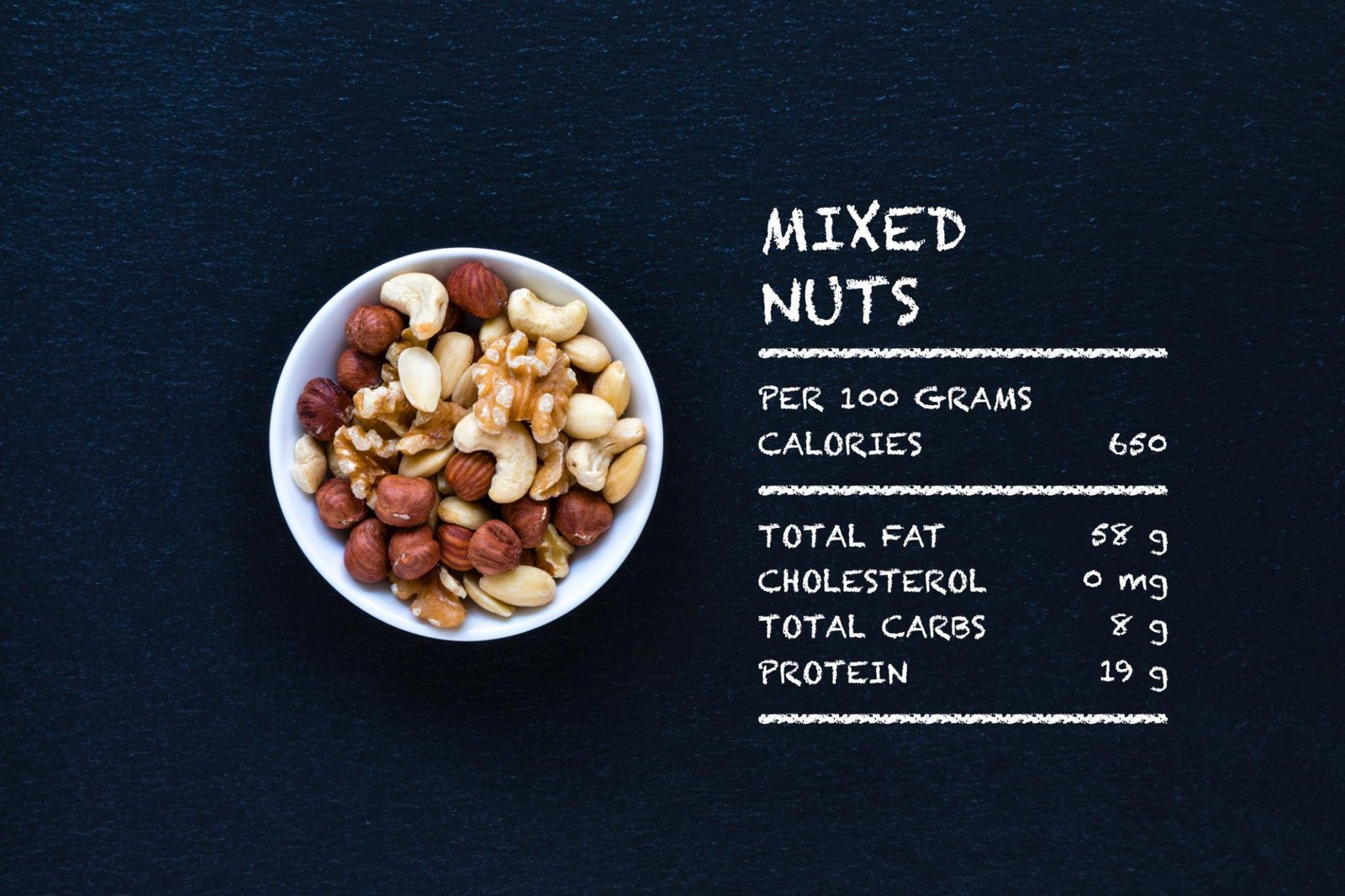
Dry fruits have been consumed for centuries as a natural source of nutrition, energy, and healing. Packed with essential vitamins, minerals, healthy fats, and antioxidants, they are considered one of the healthiest snack options available. From improving heart health to boosting brain function, dry fruits provide numerous benefits when consumed in moderation.
However, like any food, they also have certain limitations and should be consumed according to age, health condition, and lifestyle.
This article explores the health benefits, advantages, disadvantages, and the best dry fruits for different age groups.
What Are Dry Fruits?
Dry fruits are fruits that have had most of their water content removed naturally or through drying methods. This process concentrates nutrients, making them energy-dense and rich in essential compounds.
They are broadly divided into two categories:
- Nuts — Almonds, walnuts, cashews, pistachios, hazelnuts
- Dried Fruits — Raisins, dates, figs, apricots, prunes
Both types provide important nutrients but serve slightly different health purposes.
Popular Healthy Dry Fruits
Some of the most commonly consumed healthy dry fruits include:
- Almonds
- Walnuts
- Cashews
- Pistachios
- Raisins
- Dates
- Figs
- Apricots
Each has unique nutritional properties and health advantages.
Health Benefits of Dry Fruits
1. Rich Source of Nutrients
Dry fruits contain:
- Healthy fats
- Protein
- Fiber
- Vitamins (E, B complex)
- Minerals (magnesium, potassium, iron, calcium)
Because water is removed, nutrients become more concentrated.
2. Heart Health Support
Nuts like almonds and walnuts contain omega-3 fatty acids and antioxidants that help:
- Lower bad cholesterol (LDL)
- Increase good cholesterol (HDL)
- Improve blood circulation
- Reduce heart disease risk
Regular consumption in small amounts supports cardiovascular health.
3. Brain Function Improvement
Walnuts are especially known as “brain food” due to their shape and nutrient profile.
They support:
- Memory
- Focus
- Cognitive performance
- Nervous system health
Omega-3 fatty acids play a major role in brain development and protection.
4. Energy Boost
Dates, raisins, and figs provide natural sugars like glucose and fructose, making them excellent for:
- Athletes
- Active individuals
- Quick energy needs
- Recovery after exercise
Unlike processed sugar, they provide additional nutrients and fiber.
5. Digestive Health
Fiber-rich dry fruits such as figs and prunes improve digestion and help prevent constipation.
They support:
- Gut bacteria
- Bowel movement
- Detoxification
6. Skin and Hair Benefits
Vitamin E and antioxidants in almonds and pistachios help:
- Improve skin glow
- Reduce aging signs
- Strengthen hair
- Prevent dryness
Nutrition directly affects skin health.
Advantages of Eating Dry Fruits
Some major advantages include:
✅ Long shelf life
✅ Easy to carry and store
✅ High nutritional value in small quantity
✅ Natural and minimally processed
✅ Suitable for all seasons
✅ Helps control hunger cravings
They are ideal for busy lifestyles and travel.
Disadvantages of Dry Fruits
Despite many benefits, excessive consumption may cause problems.
1. High Calorie Content
Dry fruits are calorie-dense. Overeating can lead to:
- Weight gain
- Excess fat intake
- Digestive discomfort
Portion control is important.
2. Sugar Content
Dried fruits like dates and raisins contain natural sugars that may affect:
- Diabetic individuals
- Blood sugar levels
Moderation is key for people with diabetes.
3. Allergies
Some individuals may have nut allergies, causing:
- Skin reactions
- Breathing issues
- Digestive problems
Medical advice is necessary in such cases.
4. Digestive Issues
Too many nuts may cause:
- Bloating
- Gas
- Stomach discomfort
Especially when eaten without soaking.
Best Dry Fruits for Different Age Groups
Children (5–15 years)
4
Recommended:
- Almonds (brain development)
- Walnuts (memory)
- Raisins (energy)
- Dates (growth support)
Benefits:
- Supports physical growth
- Improves concentration
- Strengthens immunity
Tip: Soaked almonds are easier to digest for children.
Adults (16–50 years)
Recommended:
- Almonds
- Pistachios
- Cashews
- Walnuts
- Dates
Benefits:
- Energy and stamina
- Heart health
- Stress reduction
- Muscle recovery
- Weight management (in moderation)
Ideal for working professionals and active individuals.
Older Adults (50+ years)
Recommended:
- Walnuts (brain and heart)
- Almonds (bone health)
- Figs (digestion)
- Prunes (constipation relief)
- Pistachios (cholesterol control)
Benefits:
- Supports memory
- Improves bone strength
- Helps digestion
- Maintains heart health
Soaking nuts overnight improves digestibility for seniors.
How Much Dry Fruit Should You Eat Daily?
General healthy portion:
- Almonds: 5–10
- Walnuts: 2–4 halves
- Pistachios: 10–15
- Cashews: 4–6
- Raisins: small handful
- Dates: 1–2
Moderation is essential because of calorie density.
Best Time to Eat Dry Fruits
Morning is considered the best time because:
- Nutrients absorb better
- Provides energy for the day
- Improves metabolism
Soaked nuts in the morning are especially beneficial.
Soaked vs Raw Dry Fruits
Soaking nuts:
- Improves digestion
- Removes anti-nutrients
- Enhances nutrient absorption
- Softens texture
Almonds and walnuts are commonly soaked overnight.
Who Should Be Careful?
People with the following conditions should consult doctors:
- Diabetes
- Kidney problems
- Nut allergies
- Obesity
- Digestive disorders
Personalized intake is important.